Australia needs more student accommodation. At the same time, many CBDs are wrestling with a different challenge: commercial office buildings that no longer meet the needs of today’s workplace.
The conventional response to housing demand is to build more: acquire a site, demolish what is there and start again. But what if the most sustainable student accommodation project is not a new building at all, but an existing one?
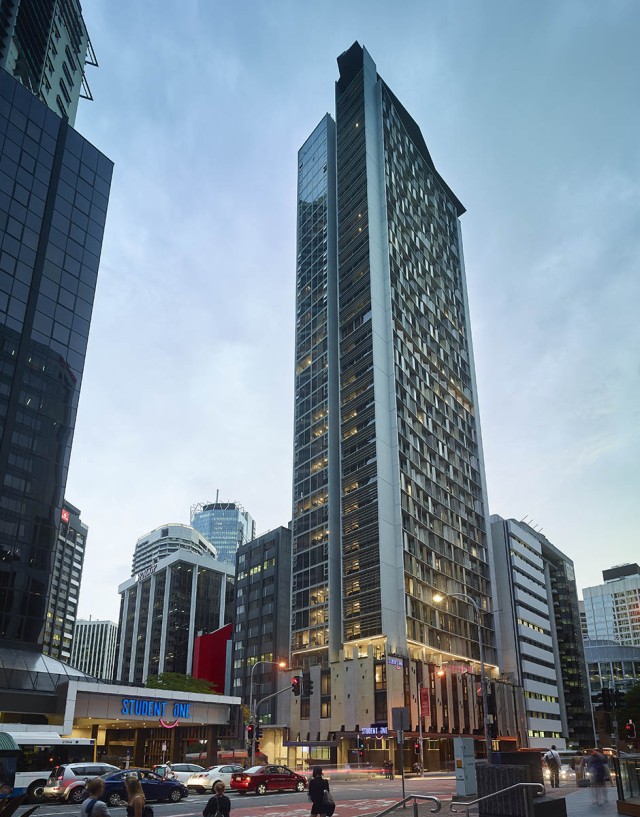
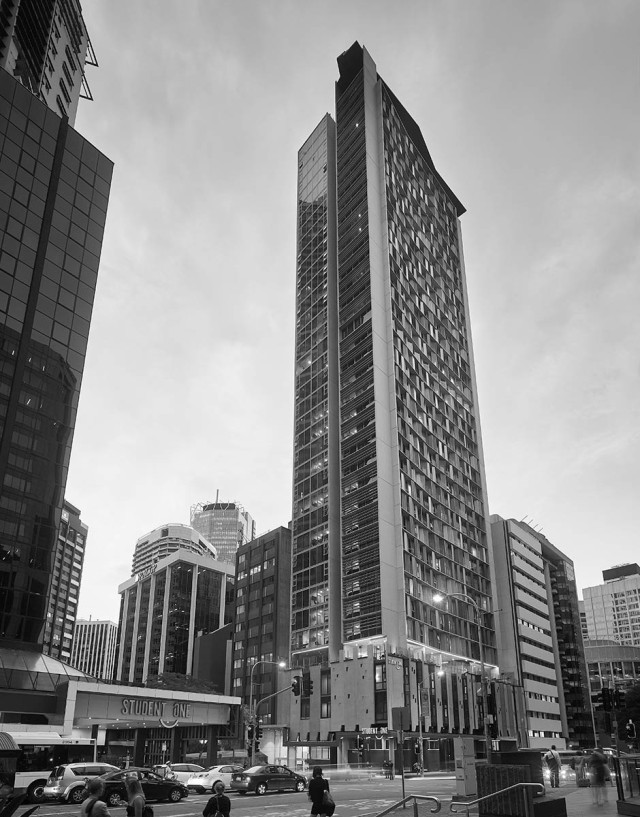
In 2016, Arkhefield completed the transformation of a 14-storey Brisbane office tower into what became Student One Adelaide Street, one of the city’s first major purpose-built student accommodation developments. Originally constructed in the 1980s as a commercial office building, the tower was reimagined as a vertical student community in the heart of Brisbane’s CBD.
A decade later, the project feels increasingly relevant. As universities, developers and cities search for ways to deliver more accommodation with a lower environmental impact, adaptive reuse deserves a much larger place in the conversation.
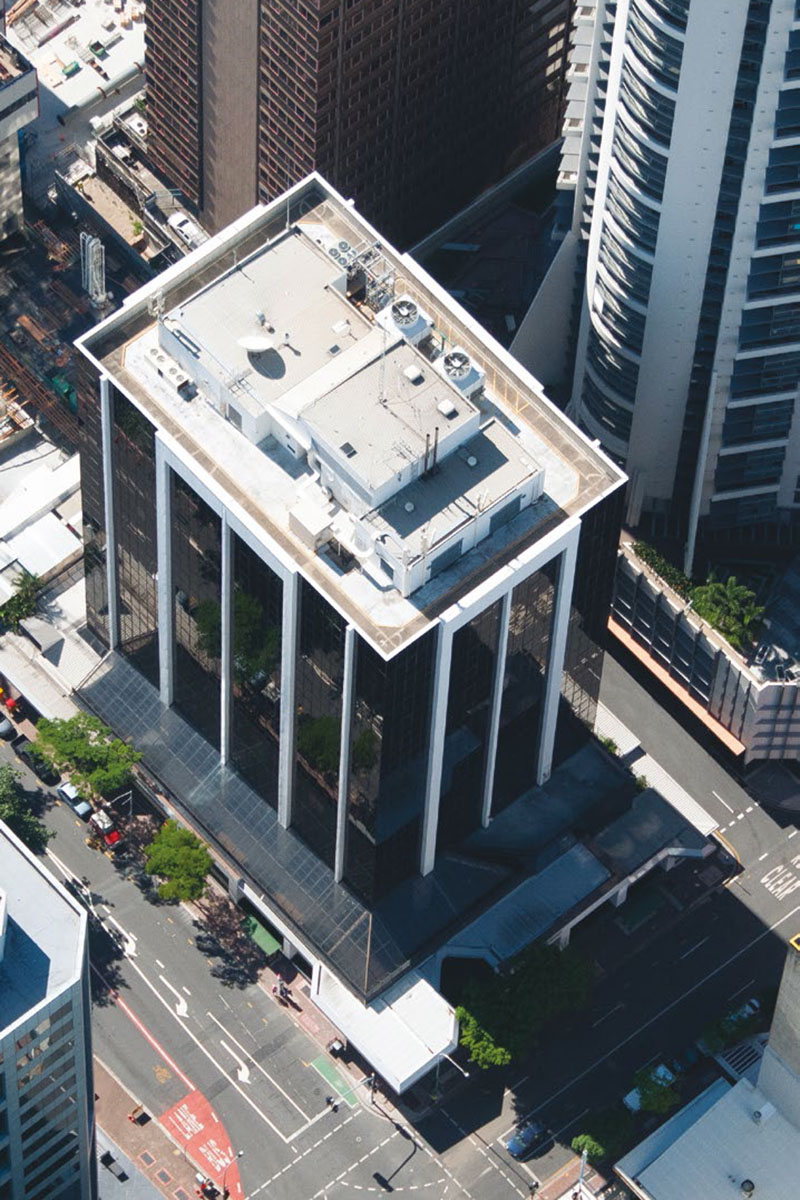
Aerial view of the original office tower
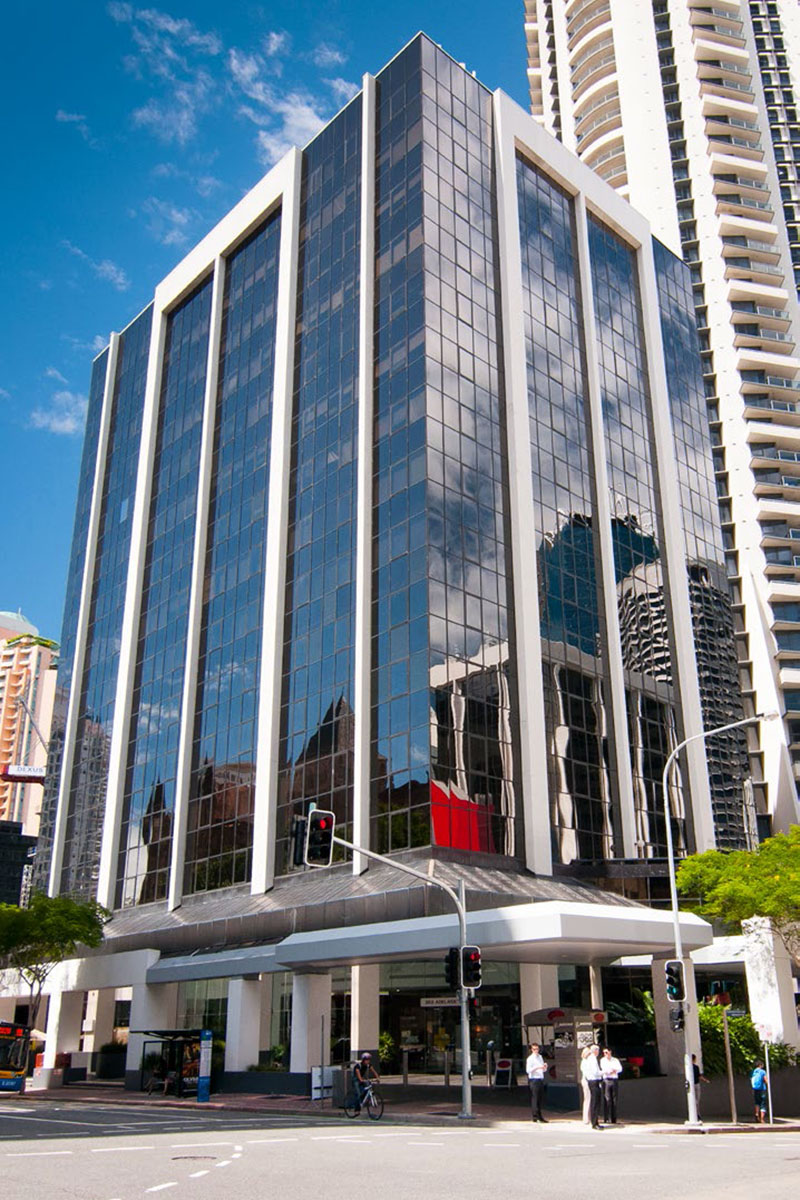
Street view of the original 14-storey office tower
Adaptive reuse takes a different approach. Rather than discarding an existing building, it asks a more useful question: how much of this asset can we keep?
Sustainability starts before the building opens
When sustainability is discussed, attention often focuses on operational performance: energy use, water consumption, renewable technologies and efficient building systems. These are important, but a significant proportion of a building’s environmental impact occurs before anyone switches on a light.
The concrete, steel, glass and other materials required to construct a new building carry substantial embodied carbon. Once an existing structure is demolished, that carbon investment is effectively lost, and a new cycle of extraction, manufacturing and construction begins.
By retaining the Adelaide Street tower's primary structure, the project preserved a substantial amount of embodied material while avoiding the waste associated with demolition and reconstruction. The result was not simply a new student accommodation building. It extended the life of an existing building by decades.
The most sustainable structure is often not the newest one. It is the one already standing.
Student housing is uniquely suited to reuse
Not every building type adapts easily, but student accommodation presents particular opportunities.
Many commercial office buildings occupy highly connected CBD locations, with excellent access to public transport, educational institutions, employment opportunities and urban amenities. These are precisely the characteristics that many students value most.
The Student One Adelaide Street model recognised this early. Rather than locating exclusively beside a university campus, the development embraced a central city location that connected students to multiple education providers while providing access to Brisbane’s broader cultural and social life. For students, proximity often matters more than ownership, allowing the city itself to become part of the campus.
This alignment between existing office stock and student living requirements creates a powerful opportunity. Buildings originally designed for one purpose can be repositioned to support another, without requiring entirely new urban infrastructure.
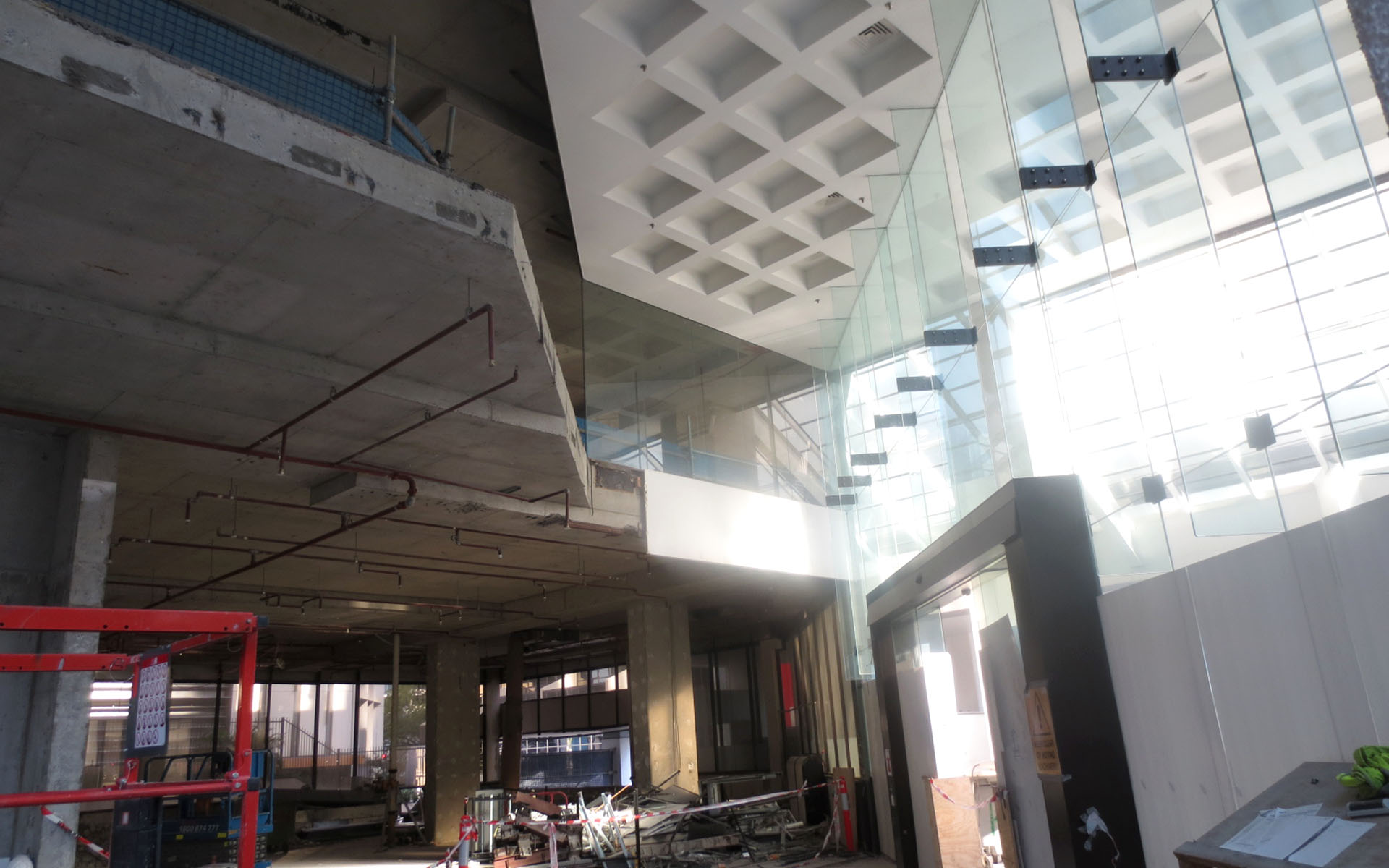
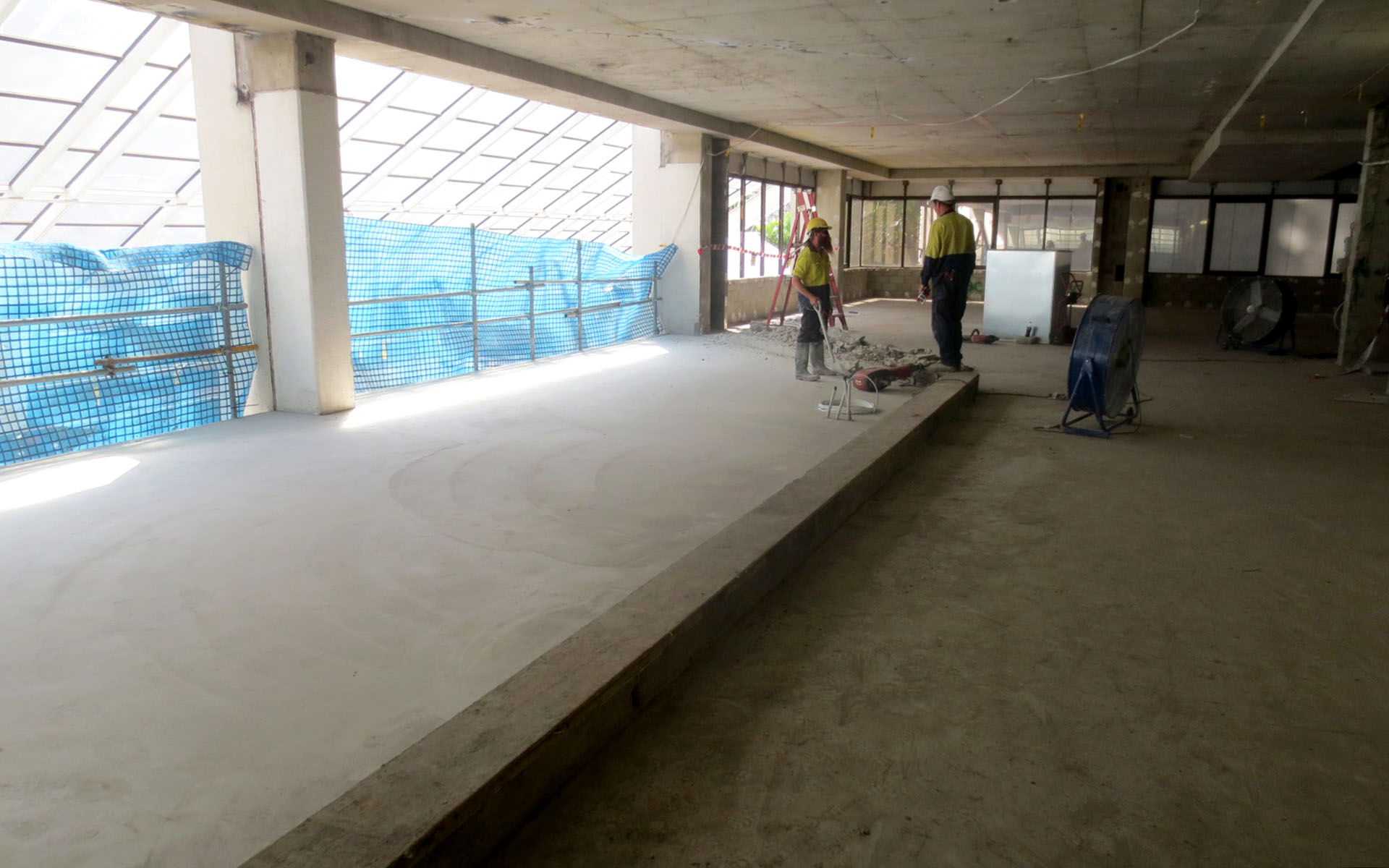
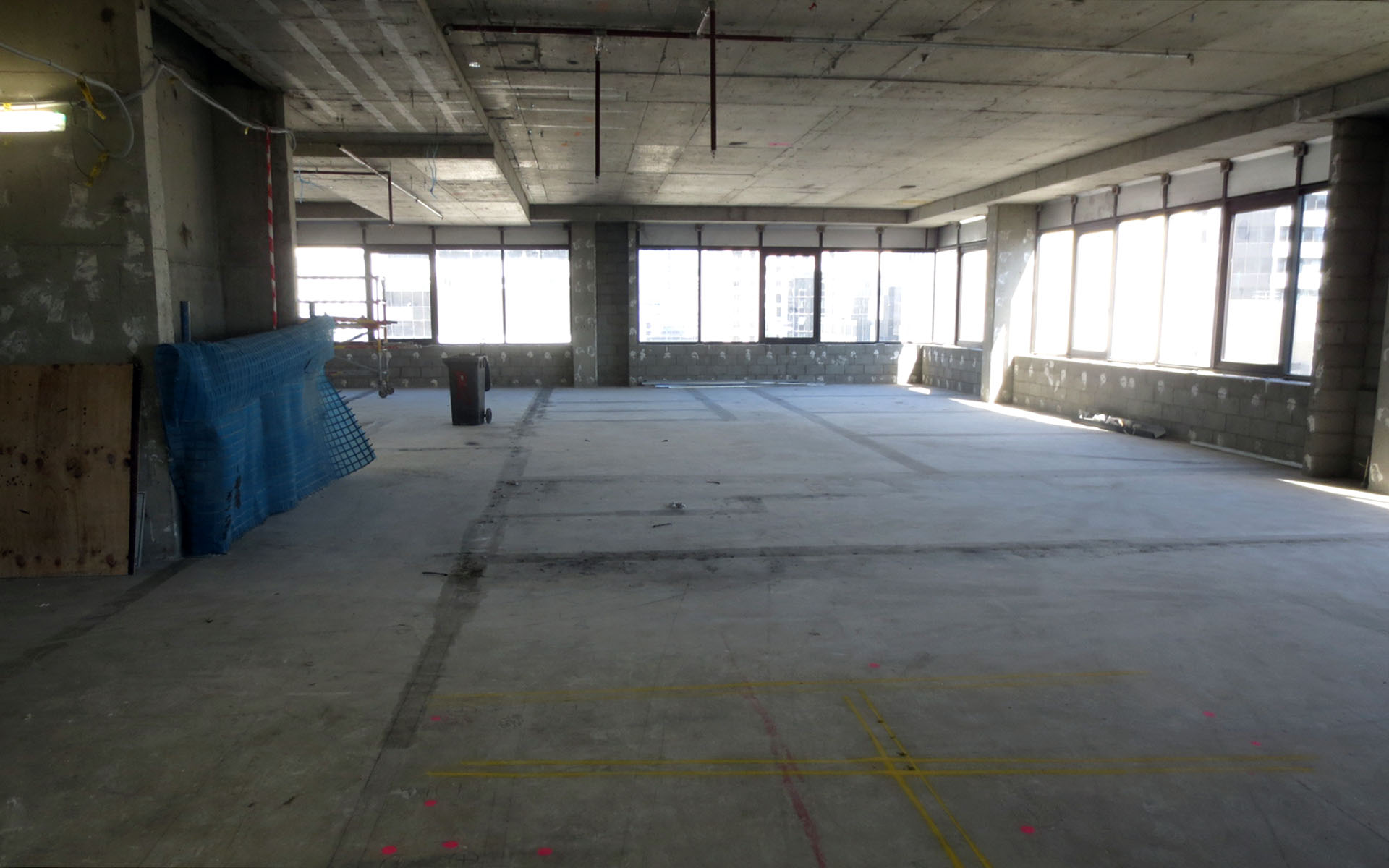
Images showing the building under construction. The project preserved a substantial amount of embodied material while avoiding the waste associated with demolition and reconstruction.
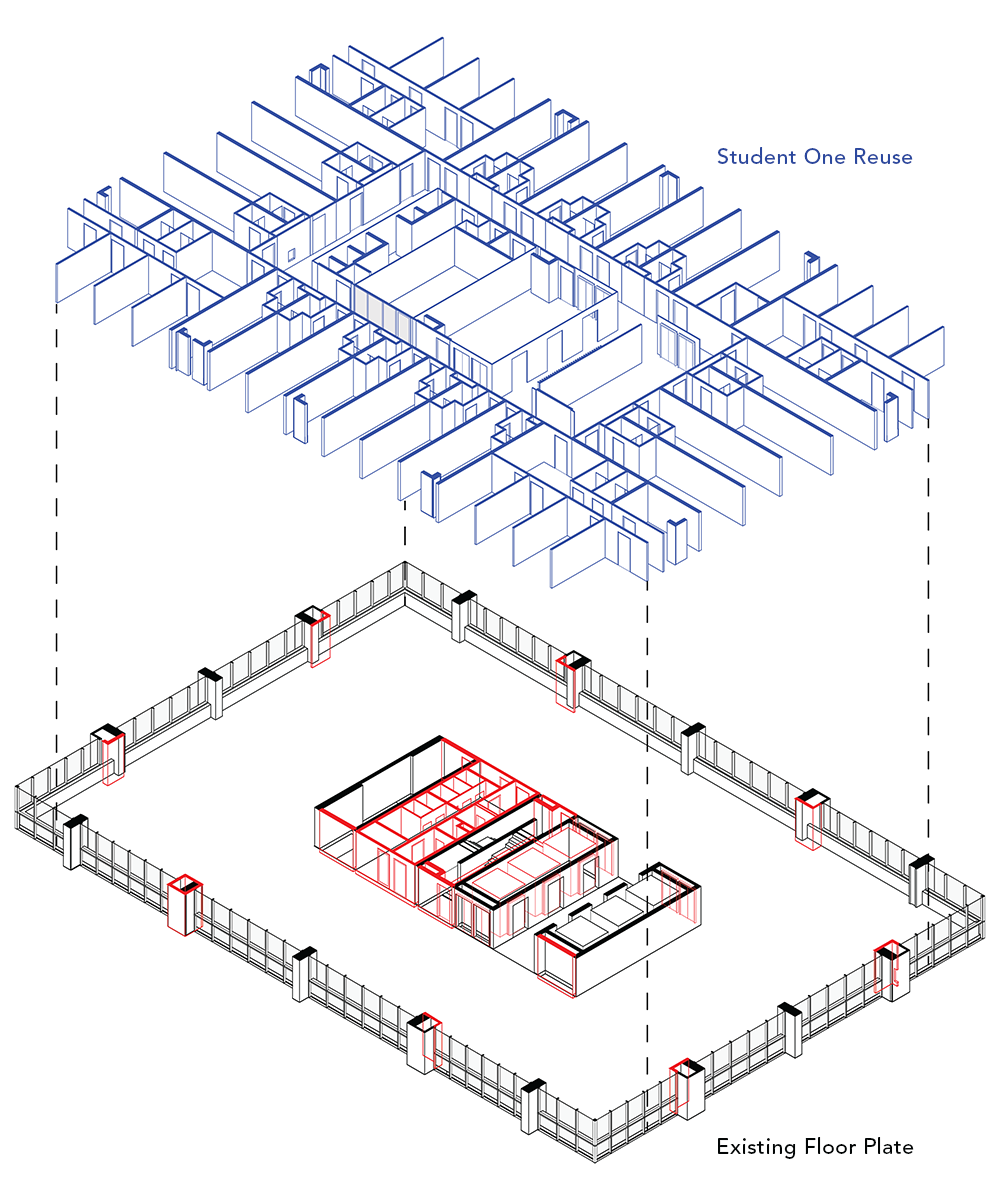
Constraints can become advantages
Adaptive reuse is never as simple as changing the sign on the front door. Existing structures come with inherited floorplates, cores, façades and structural grids designed for different occupants and patterns of use.
The Adelaide Street project demonstrates this reality. The proportions of the original office floorplate directly influenced the accommodation mix, resulting in studio and twin-share apartments along the building flanks and larger shared apartments at the corners. Existing characteristics, including high soffits, extensive glazing, exposed concrete elements and generous ground-floor volumes, became assets rather than obstacles.
Good adaptive reuse is not about forcing a building to become something it was never meant to be. It is about understanding what the building already does well and allowing the new use to emerge from those strengths. In this way, architecture becomes an act of interpretation rather than replacement.
Reuse creates character
One challenge facing contemporary development is sameness. New buildings often begin with a blank sheet of paper. While this offers flexibility, it can also produce environments that feel interchangeable.
Existing buildings bring something different: quirks, constraints, proportions and histories that cannot be replicated. At Adelaide Street, the retained structure, dramatic ceiling heights and expansive glazing helped create a student environment with a distinctive identity from day one. The existing building provided qualities that would have been difficult and expensive to recreate from scratch.
For student accommodation operators, that distinctiveness matters. Students increasingly choose accommodation based not only on location and price, but also on experience, community and a sense of belonging. Contemporary purpose-built student accommodation thinking recognises that connection, identity and wellbeing have become central expectations of student living.
Buildings with character can contribute to that experience in ways that standardised solutions often cannot.
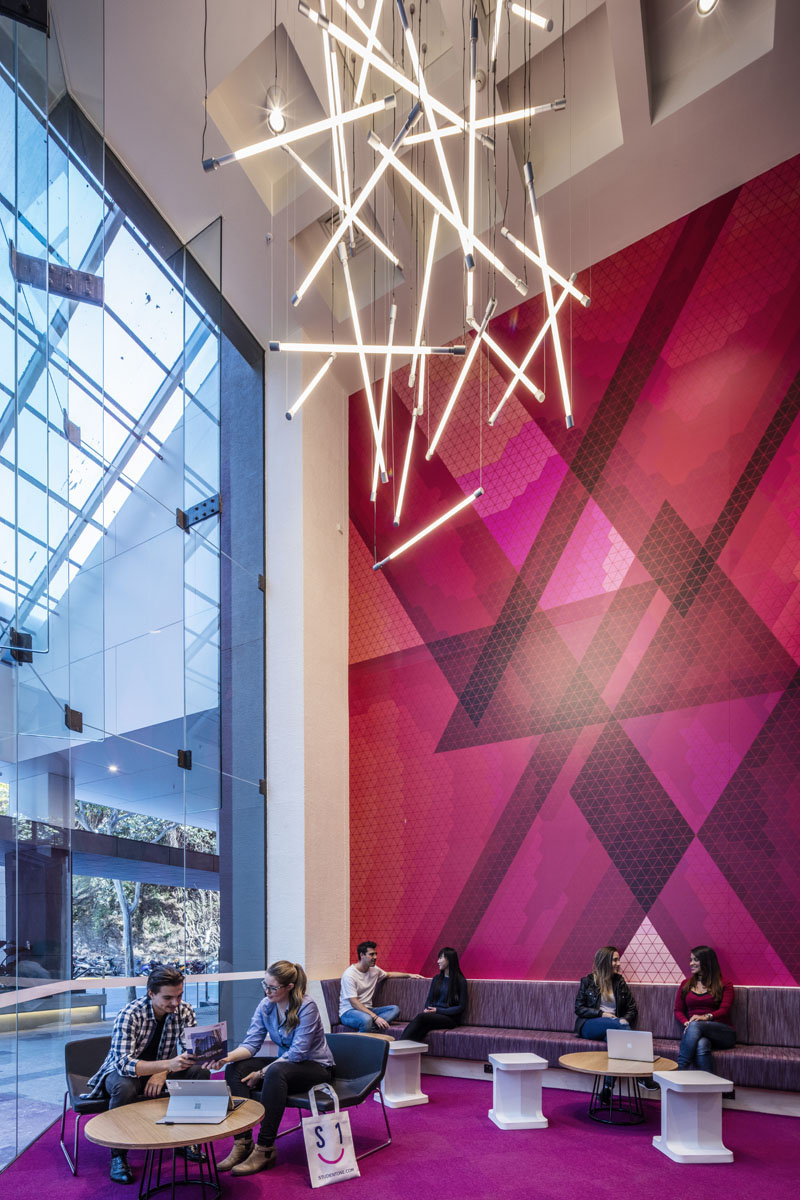
Student One foyer space
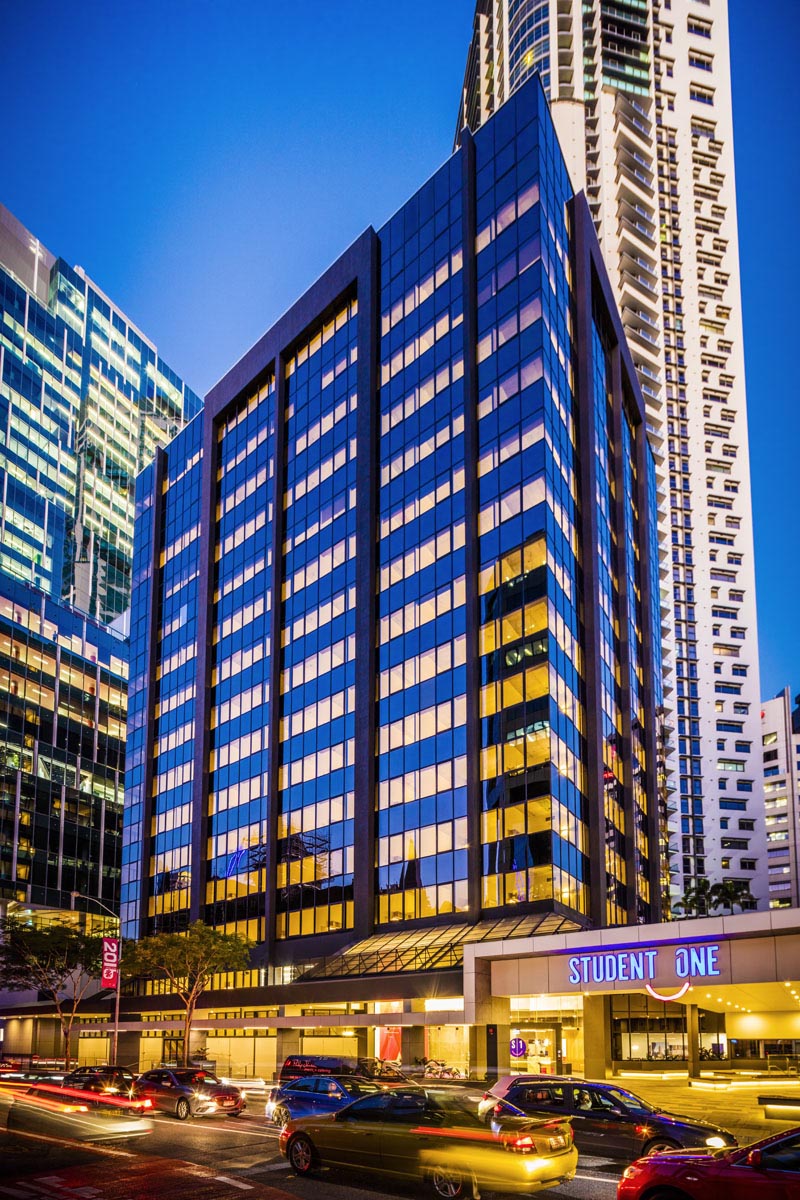
Student One refit complete
A circular approach to city-making
Perhaps the greatest lesson from adaptive reuse is that cities should not always be viewed as collections of development sites. They can also be understood as collections of resources, with every existing building representing invested energy, materials, labour and infrastructure.
Viewed through that lens, the question shifts from ‘What can we build here?’ to ‘What can this building become?’
As Australian cities confront housing shortages, sustainability targets and changing workplace patterns simultaneously, adaptive reuse offers a rare opportunity to address multiple challenges at once. It can reduce waste, preserve embodied carbon, accelerate delivery and breathe new life into underutilised parts of the city.
The conversion of Student One Adelaide Street demonstrated these possibilities nearly a decade ago. What was once a commercial office tower became a thriving student community. Today, the project feels less like an exception and more like a preview.
The next generation of student accommodation may not start with a vacant site. It may start with a second look at the buildings we already have.
Not every solution requires a new building. Sometimes the smartest thing we can design is a new future for an existing one.
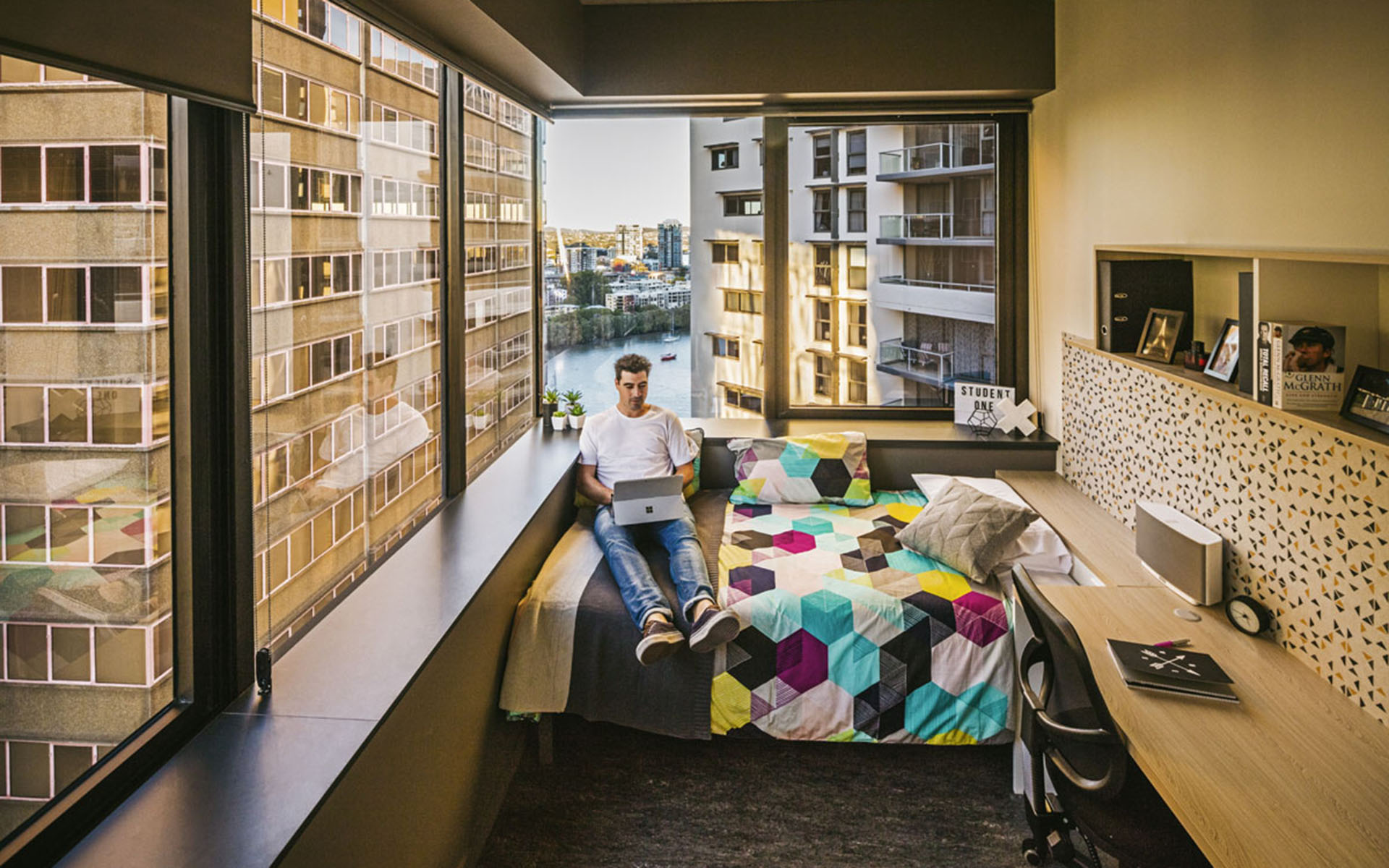

Student One Adelaide Street - open and fully occupied.